Balanced Blog

Teeth Grinding Therapy: Causes, Diagnosis & Treatment for a Healthier Smile

At Balanced Dental, we provide compassionate, comprehensive care tailored to your individual needs, including conditions like bruxism (teeth grinding) that can affect both your oral health and overall well-being. Bruxism can lead to jaw pain, worn enamel, headaches, and disrupted sleep, and this blog explains how dentists diagnose the condition and the treatment options that help protect your teeth and restore comfort, all while reinforcing our commitment to understanding your concerns and preferences before designing your care plan.

When you come to our office for dental treatment, we take the time to discuss your needs and expectations, and we get to know your personal preferences before beginning any treatment plan. From the complimentary healthy refreshments in our reception area to our flexible financing options, we strive to make your visits to our office productive and pleasant, each and every time. We can’t wait to see you!

Click To Read: Mayo Clinic and Teeth Grinding

Dr. Jackson is a member of the International Academy of Oral Medicine and Toxicology, the Atlantic Coast Conference, the Florida Dental Association, and the American Dental Association, as well as a S.M.A.R.T. Certified dentist. At Balanced Dental, Dr. Jackson believes in developing relationships with his patients, which allows him to provide comprehensive care tailored to fit their lives.

If you suspect you’re grinding your teeth or you’re experiencing jaw discomfort or worn enamel, don’t wait to get the care you deserve — early treatment can prevent long-term damage and improve your comfort. Dr. Jackson and our team at Balanced Dental are here to listen, evaluate, and create a personalized plan just for you, with flexible financing and a welcoming atmosphere designed to make every visit pleasant. Schedule your appointment today at 772.247.2407.  Follow our Instagram for more dental tips!

Level Up Your Smile in 2026 With Professional Laser Teeth Whitening

A new year is the perfect time to refresh your goals, embrace new habits, and give yourself a confidence boost — and your smile is a great place to start. At Balanced Dental, we’re dedicated to helping you step into 2026 feeling your best, offering both preventive care and cosmetic treatments that support a brighter, healthier smile.

Laser teeth whitening is one of today’s most popular in-office treatments for achieving noticeable, fast whitening results.  Book us for a consultation, or read on to learn here what laser whitening involves, how the process works, and what you can expect during treatment, giving you a clear understanding of this advanced professional option. At Balanced Dental, we believe that a doctor and patient become a team to treat an individual’s dental issues — we can’t wait to meet you and learn about your oral health goals. 

CLICK TO READ: IS LASER TEETH WHITENING AN OPTION FOR YOU?

If a brighter smile is one of your goals this year, professional laser whitening can help you see results quickly and safely under expert care. Dr. Jackson and his team are here to guide you through the process and answer any questions you may have along the way. Our staff spends most of their time listening to and understanding your concerns and responding with the best treatment options for you. Schedule your appointment today at 772.247.2407. Follow our Instagram for more dental tips. 

Everything You Need to Know About Dental Crowns

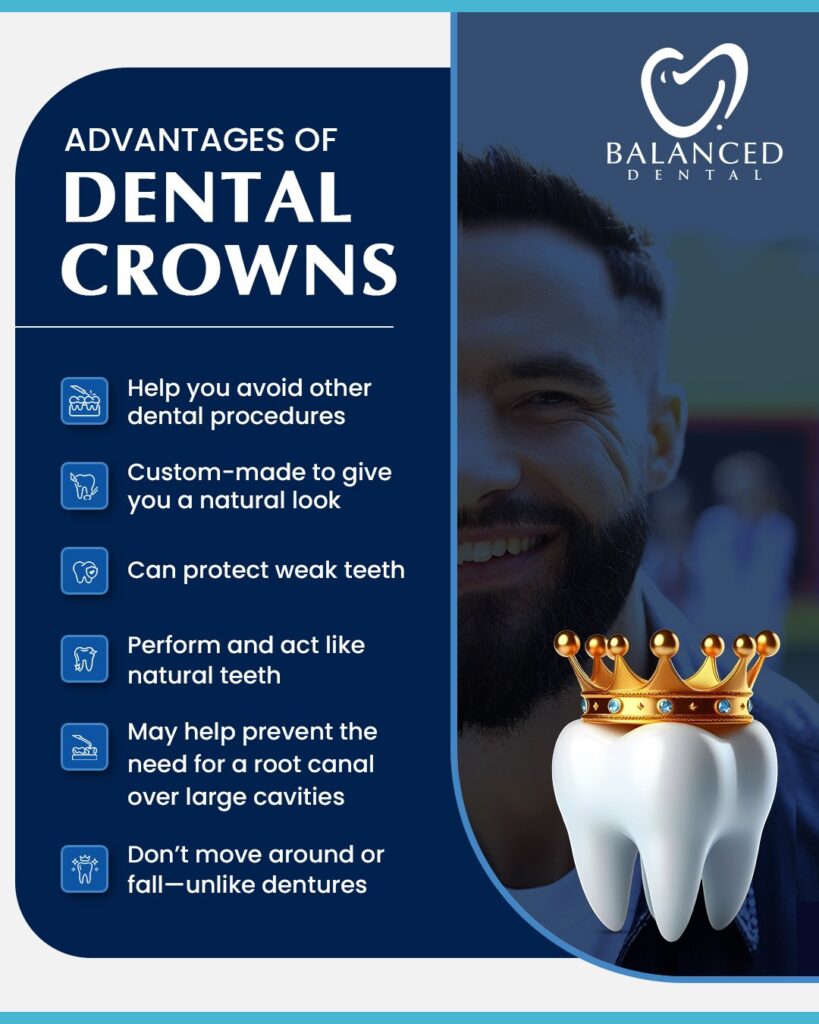
A dental crown is often called the “crown jewel of dentistry” for good reason—it’s one of the most dependable solutions for restoring a damaged or weakened tooth. By placing a strong, custom-fitted cap over your natural tooth, a crown reinforces structure, enhances function, and brings lasting protection. Whether you’re dealing with decay, fractures, or cosmetic concerns, a dental crown can restore balance to your smile while preventing future complications.

At Balanced Dental, we take a uniquely integrative approach, combining modern dentistry with holistic principles to ensure your restoration supports not just your smile, but your whole-body wellness. This guide breaks down everything you need to know about dental crowns—from materials to long-term care—so you can step confidently into 2026 with a stronger, healthier, and fully restored smile.

What Is a Dental Crown?

A dental crown is a protective covering placed over a tooth that has been compromised by:

  • Cracks or fractures
  • Decay too large for a filling
  • Root canal treatment
  • Severe wear
  • Cosmetic imperfections

Crowns function like armor—shielding your tooth from further damage while restoring your ability to chew, smile, and speak comfortably.

To explore additional details on dental crowns, you can read this helpful resource from the Cleveland Clinic:
👉 Dental Crowns — What to Expect

Holistic & Integrative Dentistry: A Balanced Approach

Unlike traditional dental practices, Balanced Dental blends state-of-the-art dentistry with natural, whole-body wellness principles. This means your crown treatment is not only designed to be beautiful and durable—but also biocompatible, metal-free, and supportive of your overall health.

Here’s how our holistic approach enhances your crown experience:

✔ All Ceramic / Metal-Free Crowns & Veneers

We exclusively offer high-quality porcelain and ceramic crowns that are metal-free, biocompatible, and esthetically superior—ideal for patients seeking a natural and holistic solution.

✔ Mercury-Free & BPA-Free Dental Materials

Your body’s health matters. That’s why our composite fillings and restorative materials are BPA-free, providing a safer alternative for patients with sensitivities or wellness-focused lifestyles.

✔ S.M.A.R.T. Certified Safe Mercury Amalgam Removal

If you’re replacing an old metal filling, our dentists are S.M.A.R.T. certified to safely remove mercury amalgam using protocols recommended by the IAOMT. This ensures maximum protection for your health, your airway, and our environment.

✔ Oxygen–Ozone Therapy for Tooth Preservation

This advanced, natural therapy helps sterilize decay, stimulate healing, and enhance the longevity of your crown. Ozone supports the tooth’s natural regeneration, reducing bacteria without harsh chemicals.

✔ Fluoride-Free Options

We support your right to choose fluoride-free preventive care. Ask us about alternatives that strengthen enamel naturally.

✔ Laser Tongue Tie Treatment

Holistic oral function matters. Our gentle laser therapy improves tongue mobility and supports better breathing, posture, and long-term oral development.

✔ Modern Digital X-Ray Technology

Low-radiation imaging gives us clear diagnostic insights while prioritizing your safety and wellness.

At Balanced Dental, restoring your tooth means restoring balance—protecting your smile, your health, and your future.
What Material Is Best for Your Crown?

While traditional dentistry often relied on metal-based crowns, holistic dentistry focuses on:

  • All-ceramic crowns
  • Zirconia crowns
  • Porcelain crowns

These provide the strongest, safest, and most esthetic results without metals or toxins.

At your visit, we’ll help you select the material that best matches your bite, esthetic goals, and long-term health needs.

Caring for Your Crown: Long-Term Wellness Tips

A well-cared-for crown can last 10–20 years or more. To extend its lifespan:

  • Brush with gentle, non-toxic toothpaste
  • Floss around the crown daily
  • Avoid chewing ice or hard candy
  • Schedule regular holistic cleanings
  • Address teeth grinding with a custom nightguard
  • Maintain a balanced oral microbiome with ozone therapy or mineral support if recommended

Your crown becomes part of your smile—and part of your overall wellness routine.
Start the New Year With a Strong, Healthy Smile

Don’t let a weakened or damaged tooth compromise your comfort or confidence going into 2026. Investing in a high-quality, holistic dental crown now is an investment in long-term health, strength, and peace of mind.

📞 Schedule your appointment today: 772.247.2407
📸 Follow us on Instagram for holistic dental tips:
https://www.instagram.com/thebalanceddentist?fbclid=IwAR1ScZOhq_nGBLhoj5kRpVu_w5DC-6hTmoNhRr8EJnQa_eZHHmaun21pBiI

Understanding and Treating Tongue-Tie in Infants

Tongue-tie, or ankyloglossia, is a condition that limits the movement of a baby’s tongue due to a tight or short fold of tissue called the lingual frenulum. While this tissue is present in everyone, in some infants it’s unusually restrictive, making it difficult for the tongue to move freely. This can affect breastfeeding, speech, and even oral hygiene later in life. Babies with tongue-tie may struggle to latch effectively during feeding, experience poor weight gain, or tire easily while nursing. For parents, the experience can also be painful, leading to cracked nipples or difficulty maintaining milk supply.

The good news is that tongue-tie is treatable, and with early evaluation, most babies experience immediate relief. In some cases, a frenotomy—a safe, quick, in-office procedure—is performed to release the tight tissue and restore normal tongue movement. This minimally invasive treatment can often be completed in just minutes and requires little to no recovery time. For many families, the improvement in feeding and comfort is nearly instant. You can read more about this condition and its treatment here.

What is tongue-tie?

Tongue-tie is when a baby’s tongue can’t move as well as it should because a fold of tissue connects the bottom of their tongue to the floor of their mouth. This fold of tissue, called the lingual frenulum, is present in all children and usually harmless. But sometimes, a lingual frenulum that’s too tight or short can restrict the movement and function of a baby’s tongue. When this happens, healthcare providers diagnose a baby with ankyloglossia, more commonly known as tongue-tie.

Tongue-tie can sometimes pose challenges for breastfeeding. Babies with tongue-tie may have trouble latching on or removing milk. This can prevent them from getting enough nutrition. Latching difficulties can also cause pain or discomfort for you as you breastfeed, and you may feel you need to stop breastfeeding.

If this sounds familiar, don’t give up. Often, lactation consultants can help you adjust your breastfeeding position or your baby’s latch to overcome these challenges. If these methods aren’t enough, your baby may need a safe and quick procedure called a frenotomy. This involves clipping the lingual frenulum so your baby’s tongue can move freely.

Your lactation consultant and pediatrician will work with you to find the best solution so both you and your baby can feel better.

How common is tongue-tie?

Anywhere from 1% to 11% of newborns have signs of ankyloglossia, according to the American Academy of Pediatrics. The condition appears to be more common in boys.

Symptoms and Causes

What are the symptoms of tongue-tie?

Ankyloglossia symptoms in newborns include:

  • Difficulty latching onto the breast at all or deeply. This might mean your baby doesn’t latch on or cries when trying to latch, makes clicking sounds or pops off the breast.
  • Difficulty transferring milk when breastfeeding. This might mean your baby has poor weight gain, frequent feedings and/or a lack of swallow sounds.

If you’re breastfeeding, you may also have symptoms related to your baby’s tongue-tie, including:

  • Cracked, sore nipples.
  • Pain during nursing.
  • Insufficient milk supply (if there are long-term transfer issues).

Keep in mind that these symptoms are what healthcare providers call nonspecific. That means they’re not unique to tongue-tie, specifically, and could occur for many other reasons. That’s why it’s important to see a healthcare provider with experience in managing breastfeeding issues. They’ll help identify the cause of your symptoms (whether it’s tongue-tie or something else) and find a solution.

What does tongue-tie look like?

Your baby’s tongue may appear to be heart-shaped or may have a notch in it. That’s because the lingual frenulum connects near the tip of their tongue and restricts its movement. In some cases, tongue-tie is barely noticeable. Healthcare providers look for signs of tongue-tie during a physical exam soon after birth.

What causes ankyloglossia?

Tongue-tie is congenital, which means your baby is born with it. Researchers aren’t exactly sure why some babies are born with tongue-tie, but there may be a genetic component. Some research suggests tongue-tie may be passed down within families, possibly in an X-linked pattern of inheritance.

Diagnosis and Tests

How is ankyloglossia diagnosed?

Pediatricians typically diagnose tongue-tie soon after a baby is born. They work with lactation consultants, who can identify whether variations in a baby’s tongue anatomy may cause breastfeeding difficulties.

Just because a baby has a frenulum that’s tighter or shorter than usual doesn’t mean they have tongue-tie or need treatment. Healthcare providers only diagnose this condition in babies who have a restrictive lingual frenulum and limited tongue function.

To determine if your baby has tongue-tie, your providers will:

  • Ask about your breastfeeding history. This includes any breastfeeding experiences with other children. If your baby has tongue-tie, you might notice that the latch feels different compared with other babies you’ve breastfed. Your providers will also ask how often you breastfeed, how long each session lasts and whether you pump and/or supplement with formula.
  • Ask how you feel when breastfeeding. If breastfeeding is often uncomfortable for you, your providers need to know. This doesn’t necessarily mean your baby has tongue-tie. There are many causes of painful or difficult breastfeeding. But any discomfort you feel is one clue that can help them understand what’s going on.
  • Review your baby’s medical history. Many different factors can affect your baby’s ability to breastfeed. These include neurological disorders, heart conditions and blockages in their nose or airways. Treating tongue-tie won’t help your baby with breastfeeding if other factors are also contributing to the difficulty.
  • Give your baby a physical exam. As part of this exam, a pediatrician will closely examine your baby’s tongue and all areas of their mouth. They’ll look for signs of tongue-tie or other medical conditions.
  • Directly observe breastfeeding. A lactation consultant will observe you and your baby during a breastfeeding session. They’ll look at your breastfeeding position (how you hold your baby during nursing) and how your baby latches on. In some cases, adjustments to positioning and latching can clear up the difficulties, even in babies with tongue-tie.

What tests will be done to diagnose tongue-tie?

Your baby doesn’t need any tests. Some healthcare providers use different grading systems or assessment tools that evaluate how well a baby’s tongue moves in their mouth. But they get the information they need just by looking at your baby’s tongue and feeling the lingual frenulum.

These grading systems help providers describe how a baby’s tongue looks and functions. This information can help providers reach a diagnosis.

Management and Treatment

What is the treatment for tongue-tie?

Healthcare providers manage tongue-tie by:

  • Helping you with breastfeeding position and latch. This can help many tongue-tied babies breastfeed comfortably and successfully. Your lactation consultant will support you each step of the way and follow up with you to assess your progress.
  • Doing a quick, in-office procedure (in some cases). This involves clipping the lingual frenulum under your baby’s tongue to help their tongue move more freely.

Does my baby need tongue-tie surgery?

Many babies with tongue-tie don’t need surgery. And if your baby does need treatment, you can rest assured it’s not major surgery. In fact, healthcare providers can often clip a baby’s lingual frenulum in a quick in-office procedure called a frenotomy.

Often, babies with tongue-tie don’t need this procedure at all. Providers only suggest a frenotomy if changes to your breastfeeding position and your baby’s latch don’t resolve the symptoms.

This safe procedure is the gold standard for treating infants with tongue-tie. Before doing a frenotomy, healthcare providers rule out or treat other causes of breastfeeding difficulty. When a frenotomy is necessary, it’s typically best when done within the first month of a baby’s life. This allows your baby to establish effective breastfeeding habits early on.

What are the disadvantages of clipping tongue-tie?

A frenotomy is generally a safe procedure and has a low risk of complications. Rarely, babies experience:

  • Bleeding.
  • Infection.
  • Scarring.
  • Feeding aversion.
  • Injury to the saliva ducts in their mouth.

Outlook / Prognosis

What can I expect if I have a tongue-tied baby?
Tongue-tie isn’t usually a cause for worry. It’s common and often manageable without doing a procedure. The key is seeking help early. Don’t wait or think the situation will get better if you just try harder. Breastfeeding difficulties aren’t your fault, and they’re very common. Even experienced mothers sometimes need expert advice to solve issues that come up.

Does tongue-tie affect bottle feeding?

Tongue-tie rarely poses problems with bottle feeding. Your baby’s tongue works differently when feeding from a bottle compared with feeding from a breast. If needed, a lactation consultant can modify the bottle’s nipple or flow to help with any issues that arise. If your baby continues struggling with bottle feeding, there may be other factors at work. Your lactation consultant and pediatrician will work together to find the cause.

Prevention

Can tongue-tie be prevented?

There’s no known way to prevent tongue-tie. For more severe cases, early diagnosis and treatment can prevent issues with breastfeeding.

Living With

When should I see my healthcare provider?

If your baby has trouble with nursing, reach out to a healthcare provider. Whether or not tongue-tie is the cause, a lactation consultant can work with your pediatrician to give you the support you need.

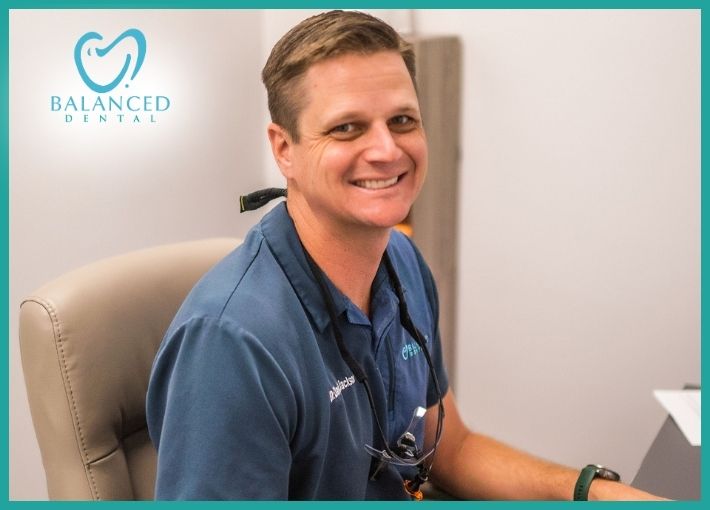
Dr. David C. Jackson! 🦷✨ From his early days in his father’s practice to earning his doctorate at Nova Southeastern and serving underserved communities, Dr. Jackson’s passion for dentistry shines through. As a S.M.A.R.T. Certified dentist, he provides top-tier, holistic care while building lasting patient relationships. When he’s not creating healthy smiles, he’s enjoying time with his wife, kids, and the great outdoors! 😁👏

Additional Common Questions

Does tongue-tie cause sleep apnea?

There’s currently no evidence that tongue-tie causes sleep apnea in children, according to a clinical consensus statement published in 2020.

Does tongue-tie affect speech?

Experts agree that tongue-tie usually doesn’t affect a child’s speech. So, there’s no need for a baby to have a frenotomy in an attempt to prevent future speech disorders.

What is posterior tongue-tie?

The term posterior tongue-tie refers to a portion of the lingual frenulum that extends more into the substance of a baby’s tongue in the floor of the mouth, as opposed to closer to the tip. However, this is a controversial term. Some healthcare providers have suggested it’s anatomically inaccurate and recommend getting rid of it. They prefer just using the term tongue-tie regardless of the exact location of the lingual frenulum.

What is a lip tie?

A lip tie typically refers to the band of tissue that connects your baby’s upper gum with their upper lip. This band of tissue, called the maxillary labial frenulum, has many normal variations. Just because it connects farther down on your baby’s gumline or seems more prominent doesn’t mean it’s going to cause problems.

Still, lip tie is a controversial topic among healthcare providers. Some believe that a lip tie can cause breastfeeding issues or later dental issues. Others believe there’s not enough evidence to prove these connections.

When it comes to breastfeeding, the latest research shows procedures to treat lip tie aren’t necessary. There’s simply not enough evidence to show that releasing a lip tie improves milk transfer or eases nipple pain. However, if you’re concerned about your baby’s latch, talk to a lactation consultant.

Is there tongue-tie in adults?

Tongue-tie can affect some adults, but it’s usually diagnosed and treated in babies. The lingual frenulum (below the tongue) is just one example of a fold or band of tissue inside your mouth. Other tissues, like the buccal (cheek) frenula, provide support in other areas of your mouth. Depending on their size or location, they can make it hard to clean your teeth or gums fully. Your dentist can evaluate all the structures inside your mouth and let you know if there are any concerns.

At Balanced Dental, Dr. Jackson and his compassionate team specialize in diagnosing and treating tongue-tie using modern, gentle techniques that prioritize comfort and safety. As Dr. Jackson explains, “When a baby can feed and thrive comfortably, it’s not just a clinical success—it’s a family success. We’re here to make that difference from day one.”

If your baby is struggling to latch, feed, or gain weight, don’t wait to seek help. Early intervention can make all the difference. Contact Balanced Dental today at 772.247.2407 to schedule an evaluation. Our team is ready to guide you every step of the way, ensuring your child’s best start toward healthy growth and development. Follow us on Instagram @thebalanceddentist for family-focused dental care insights and updates.


Reference: [https://my.clevelandclinic.org/health/diseases/17931-tongue-tie-ankyloglossia]

What Is the Right Way to Floss?

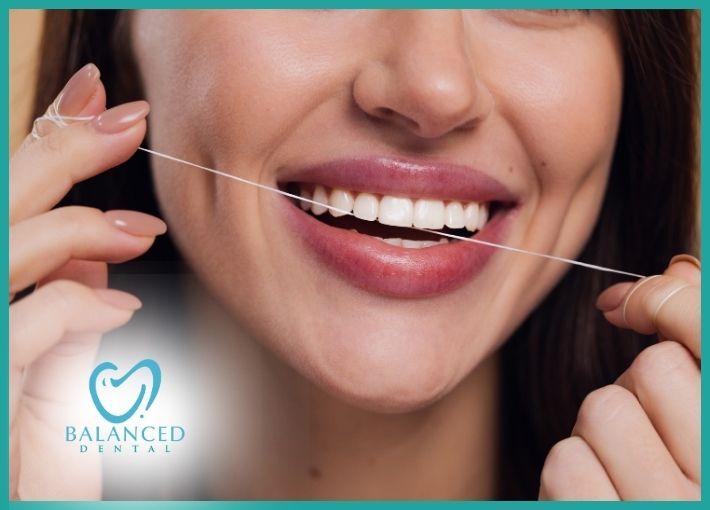
Flossing is one of the simplest, most effective habits you can adopt for long-term oral health—but only if it’s done correctly. While many people run floss quickly between their teeth and call it a day, true flossing involves technique and consistency. Proper flossing doesn’t just clean where your toothbrush can’t reach—it reduces plaque buildup, lowers your risk of cavities, and helps prevent gum disease. Mastering this small daily practice can protect your smile for years to come.

So, what’s the right way? Start with about 18 inches of floss, winding most of it around your middle fingers and leaving a short section to work with. Gently guide the floss between your teeth using a back-and-forth motion, then curve it into a C-shape against the side of each tooth, sliding it just under the gumline. This ensures you’re removing particles and plaque from the spots that matter most—without damaging sensitive gum tissue. Don’t forget to use a clean section of floss as you move from tooth to tooth.

At Balanced Dental, we know small habits add up to big results. If you’re unsure about your flossing technique—or if you’ve been skipping flossing altogether—we’re here to help. Our friendly team, led by Dr. Jackson, not only provides professional cleanings and advanced dental care but also teaches patients how to maintain healthier smiles at home.

📞 Ready to make sure your smile is as healthy as it can be? Schedule your appointment with Balanced Dental today at (772) 247-2407. And for more everyday tips on oral health, follow us on Instagram @thebalanceddentist.

Understanding the Different Kinds of Toothaches

A toothache is your body’s way of signaling a problem. The type of pain—be it a sharp ache, dull pressure, or sudden sensitivity—offers crucial clues about the underlying issue. Ignoring these signs can lead to more serious problems. 

Toothaches can stem from a variety of causes, including cavities, gum disease, cracked teeth, or even sinus infections. Each type of discomfort points to a different problem, and only a professional exam can uncover the true source. Addressing the pain early can prevent further damage and save you from more invasive—and costly—treatments down the road. If you’re experiencing tooth pain, don’t wait. Call us at Balanced Dental at (772) 247-2407 or visit balanceddentalfl.com to schedule your appointment and get lasting relief.

A toothache can occur for many reasons — from a popcorn hull stuck in your gums to a broken tooth to a bacterial infection. Temporary gum irritation can cause some toothaches. But serious toothaches need professional treatment.

What is a toothache?

A toothache refers to pain in or around your tooth. Minor toothaches can occur from a temporary gum irritation that you can treat at home. More severe toothaches result from cavities, infection or other dental conditions that won’t get better on their own. If you have a severe toothache, you’ll need professional dental treatment.

Unbearable tooth pain along with fever and chills means you’re having a dental emergency. Call a dentist or go to your nearest emergency room right away. Though it’s rare, infection in your mouth can spread to other areas of your body, including your brain and bloodstream.

Types of toothaches

There are different types of tooth pain depending on the underlying cause. Specific toothache symptoms can vary but may include:

  • A dull ache that doesn’t go away.
  • Sharp, jabbing tooth pain.
  • Throbbing tooth pain.
  • Teeth sensitivity.
  • Swelling in your gums.
  • Headaches.
  • Fever.
  • Chills.
  • Bad breath or bad taste.

Symptoms and Causes

What causes a toothache?

There are many reasons why people develop tooth pain. Possible toothache causes include:

  • Cavities.
  • Abscessed tooth.
  • Cracked tooth.
  • A damaged dental restoration (like a filling or crown).
  • Teeth grinding or clenching (bruxism).
  • Gum disease.

How long does a toothache last?

There’s no way to know how long your toothache will last. It depends on the underlying cause. For instance, if you have temporary gum irritation, it should go away on its own in a day or two. But if you have a cavity or abscess, the pain may come and go somewhat, but it won’t go away completely.

Management and Treatment

How do dentists treat toothaches?

A dentist will perform an examination and ask about your symptoms. They may also take a dental X-ray to see if there are any issues going on beneath your gums.

There are several toothache treatments available. The one that’s right for you depends on the severity of your situation.

Toothache medicine

Antibiotics and pain relievers can ease toothache symptoms, but their effects are temporary. Even if an infection goes away after you take antibiotics, it will come back unless you treat the underlying issue.

However, while you’re waiting to see your dentist, you can take over-the-counter pain relievers (like acetaminophen and ibuprofen) to reduce pain and tenderness.

Dental fillings

If you have a small cavity — or if a small piece of your tooth has broken off — your dentist will probably recommend a dental filling. During this procedure, they’ll remove any damaged portions of your tooth, and then fill in the void with a strong dental filling material.

Dental crowns

A larger cavity or fracture may require a dental crown. This tooth-shaped “cap” fits over your entire tooth, strengthening it and reducing the risk of further damage.

Inlays or onlays

Sometimes, a cavity or crack is too big for a filling but not large enough to warrant a crown. In these instances, your dentist may recommend an inlay or onlay. This type of custom ceramic restoration fits into your tooth like a tiny puzzle piece.

Root canal therapy

If bacteria from a cavity or crack invade your tooth pulp, you’ll need a root canal. This procedure removes inflamed nerves, blood vessels and connective tissues from inside your tooth. Next, your dentist will clean the inside tooth surfaces, then fill your pulp chamber and root canals with a filling material. In most cases, you’ll also need a crown to protect and strengthen your tooth.

Tooth extraction

Most dentists prefer to save natural teeth when they can. But sometimes, it’s not possible. If your tooth is badly damaged, you may need a tooth extraction. During this procedure, your dentist will carefully remove your tooth from its socket and clean out any infection.

If you need a tooth pulled, talk to your dentist about replacement options. Once you’ve healed from your extraction, they can replace it with a dental bridge or dental implant. They can also make you a temporary tooth to wear until you get your permanent replacement.

Are there home remedies for toothaches?

Home remedies can offer some mild toothache relief. But if you have tooth pain that doesn’t go away, you’ll need to see a dentist for treatment.

If you have mild pain, there are a few toothache remedies you can try at home:

Saltwater rinse

Salt is a natural disinfectant. Rinsing with warm saltwater rinse can reduce inflammation, heal wounds in your mouth and offer toothache pain relief. Mix 1/2 teaspoon of salt into 8 ounces of warm water. Swish for 30 seconds, and then spit it out.

Hydrogen peroxide rinse

Rinsing with hydrogen peroxide can also ease tooth pain and inflammation. It helps heal bleeding gums, too. If you have a history of gum disease, this might be a good step to try.

You should never rinse your mouth with pure hydrogen peroxide. Be sure to dilute it with equal parts water. After swishing, spit it out in the sink. Don’t swallow.

Ice packs

Applying ice to the affected area helps shrink blood vessels and reduce pain and inflammation. You can wrap a bag of ice or frozen veggies in a clean towel, and then hold it against your outside jaw for about 20 minutes. Repeat several times a day.

Can I prevent toothaches?

You can’t always prevent toothaches. Sometimes, they occur for reasons out of your control.

But there are things you can do to reduce your risk:

  • Brush your teeth two to three times a day using a fluoride toothpaste and a soft-bristled toothbrush.
  • Floss between your teeth once a day.
  • Use an antibacterial mouthwash twice a day.
  • Limit your intake of sugary foods and drinks.
  • Visit your dentist regularly for exams and cleanings.
  • Ask your dentist about sealants and fluoride treatments.

Living With

When should I see a dentist?

Call a dentist right away if you develop:

  • A toothache that lasts longer than two days.
  • Swelling in your face or jaw.
  • Pain when opening your mouth wide.

When should you go to the ER for a toothache?

You should head to your local emergency room if you have:

  • Swelling below your eye or a knot on your jaw.
  • Unbearable tooth pain that doesn’t get better with medication.
  • Bleeding that won’t stop with applied pressure.
  • A fever over 101 degrees Fahrenheit (38.33 degrees Celsius).

Additional Common Questions

Can a toothache go away on its own?

Tooth pain can go away on its own in certain situations. For example, if you have irritated gums from biting into something hard, your discomfort will likely go away in a day or two. But a true toothache — pain that originates from the tooth itself — usually means you have an issue that needs treatment.

If you have a toothache — whether it comes and goes or lingers — you should see a dentist as soon as possible. Treating the issue early can keep it from getting worse or causing more pain.

How can you tell what kind of toothache you have?

The short answer is that you can’t know for sure until you see a dentist. But generally:

  • A dull, persistent toothache could mean you have an infected tooth. It could also be a sign that you grind your teeth when you sleep.
  • A sharp, stabbing pain might mean that you have a cavity or crack in your tooth. Sometimes, it means there’s an issue with an existing filling or crown.
  • Severe, throbbing pain could mean that infection has invaded your tooth pulp.
  • Sensitivity to heat and cold could indicate a number of things, including cavities, cracks or gum disease. If the pain goes away quickly, it could mean that you have worn enamel.

Don’t let a toothache become a bigger problem. Your smile deserves expert care, and at Balanced Dental in Stuart, we’re here to make sure you get it in a comfortable, welcoming environment. Whether your toothache is a small concern or a sign of something more serious, Dr. Jackson takes the time to listen, explain, and treat with precision and compassion. Don’t put off feeling better—call us today at (772) 247-2407 or visit balanceddentalfl.com to book your visit.  Follow our Instagram for more dental tips.


Reference: [https://my.clevelandclinic.org/health/diseases/10957-toothache]

How to Keep Your Gums Healthy

Healthy gums are fundamental to a strong smile and overall well-being, yet are often overlooked. Neglecting them can lead to gingivitis, periodontitis, and even systemic health issues. The good news: maintaining healthy gums is achievable with consistent, simple practices. 

At Balanced Dental, Dr. Jackson believes in developing relationships with his patients, which allows him to provide comprehensive care tailored to fit your life. His experience in general dentistry, including fixed and removable prosthodontics, dental implants, endodontics, extensive oral surgery, and periodontal surgery, allows him to offer a full range of restorative and preventative treatments to you and your family, all under one roof. Come on in and meet us!

Having cavity-free teeth doesn’t mean you have healthy gums. Since it’s usually painless, you may not know if something is wrong with your gums. A few strategies can help you keep your whole mouth healthy.

When it comes to your mouth’s health, it’s not all about how straight your teeth are or how bright your smile is. You can’t forget about your gums!

What is gum disease?

Gum disease starts when plaque builds up under and along the gum line. Plaque is a sticky film-like substance that’s filled with bacteria. It can cause infections that hurt the gum and bone, leading to gum disease and tooth decay. Plaque also can cause gingivitis, the earliest stage of gum disease. Gingivitis causes your gums to become:

  • inflamed
  • tender
  • red
  • swollen
  • prone to bleeding

Fortunately, since the bone and tissue holding the teeth in place aren’t impacted, this damage is reversibleTrusted Source.

You can also develop periodontitis, an advanced form of gum disease. Periodontitis impacts the bones that hold your teeth in place. Left untreated, it can ruin the gums, bones, and tissues connected to your teeth.

The final stage of gum disease is advanced periodontitis. This is when the fibers and bone supporting your teeth are destroyed. It can impact your bite, and teeth may need to be removed.

According to the American Dental Association (ADA), signs that you might have gum disease include:

  • consistently bad taste or breath
  • separating or loose permanent teeth
  • gums that easily bleed
  • gums that are swollen, red, or tender
  • gums that have pulled away from your teeth

Gum disease is preventable. Here are a few ways you can help keep your gums healthy.

1.Floss

Floss at least once a day. This helps remove the plaque and food that’s beyond your toothbrush’s reach, according to the ADA. It doesn’t matter when you floss. Do it at night, do it in the morning, or do it after lunch… just do it!

2. Get regular dental cleanings

Your dentist can detect early gum disease symptoms if you see them on a regular basis. That way symptoms can be treated before they become more serious. A professional cleaning is the only way to remove tartar. It can also get rid of any plaque you missed when brushing or flossing. If you have gingivitis, brushing, flossing, and regular dental cleanings can help reverse it.

3. Quit smoking

Yet another reason for smokers to quit: Smoking is strongly associated with the onset of gum disease. Since smoking weakens your immune system, it also makes it harder to fight off a gum infection, say the Centers for Disease Control and Prevention (CDC)Trusted Source. Plus, smoking makes it more difficult for your gums to heal once they’ve been damaged.

4. Brush twice a day

Brush your teeth after every meal. This helps remove the food and plaque trapped between your teeth and gums. Scrub your tongue too, since it can harbor bacteria. Your toothbrush should have soft bristles and fit in your mouth comfortably, says the Mayo Clinic.

Consider a battery-powered or electric toothbrush. These can help reduce gingivitis and plaque more than manual brushing. Swap toothbrushes or toothbrush heads every three to four months, or sooner if the bristles start to fray.

5. Use fluoride toothpaste

As for toothpaste, store shelves are lined with brands that claim to reduce gingivitis, freshen breath, and whiten teeth. How do you know which one is best for healthy gums? Make sure to choose toothpaste that contains fluoride and has the ADA seal of acceptance. After that, the flavor and color is up to you!

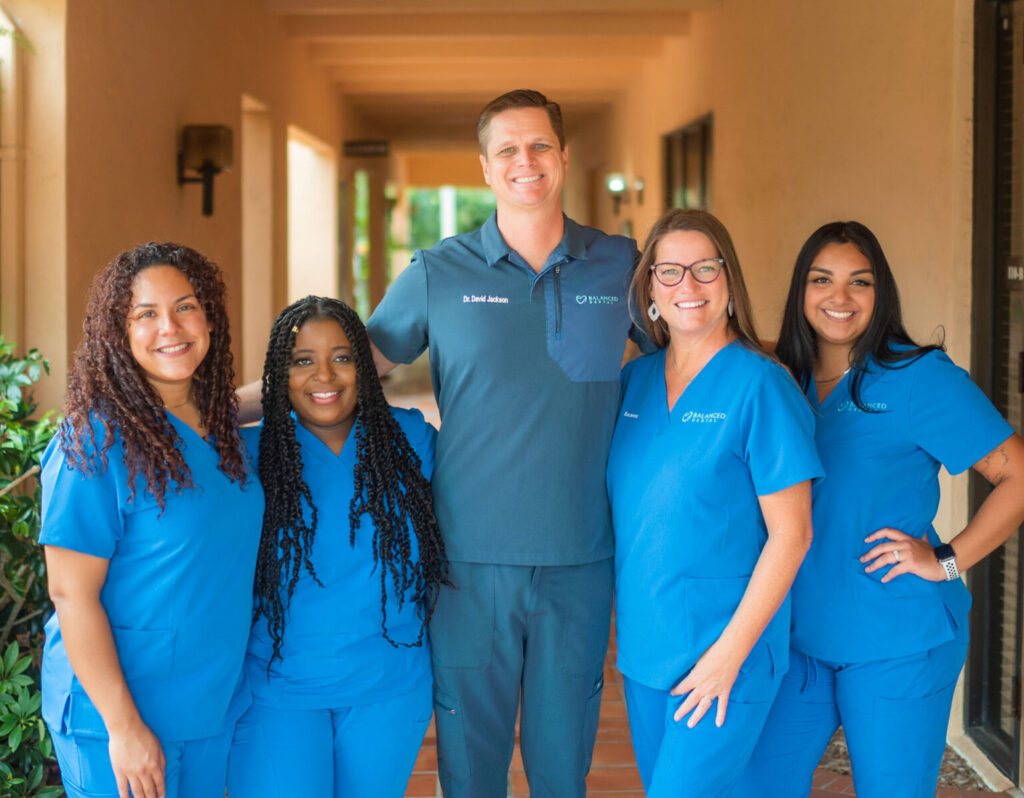
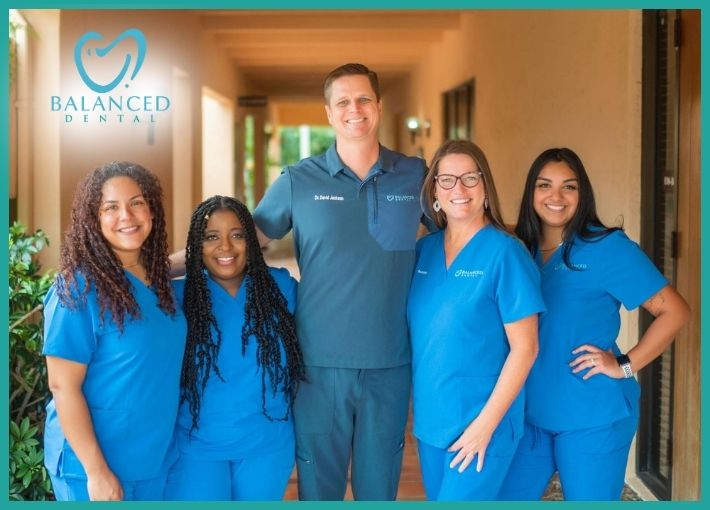
🦷 Here’s the Dental Dream Team! 🦷
When you come to Balanced Dental for a routine checkup or specialized dental service, you can expect state-of-the-art technology, tools, and equipment. Plus, with a soothing and comfortable environment, we are a dental office proven to be family-friendly and extremely convenient — all with the best for your whole health journey in mind. Visit us or reach out for a free consultation! (772) 247-2407

6. Use a therapeutic mouthwash

Usually available over the counter, therapeutic mouthwashes can help reduce plaque, prevent or reduce gingivitis, reduce the speed that tarter develops, or a combination of these benefits, according to the ADA. Plus: A rinse helps remove food particles and debris from your mouth, though it’s not a substitute for flossing or brushing. Look for the ADA seal, which means it’s been deemed effective and safe.

It doesn’t matter whether your brush, floss, or rinse first. Just do a good job and use the right products.

Don’t leave your gum health to chance. Visit our clinic for a comprehensive check-up and personalized advice from our expert dental team. Schedule your appointment today at 772.247.2407. Follow our Instagram for more dental tips.

David C. Jackson, DMD

Dr. Jackson is a member of the International Academy of Oral Medicine and Toxicology, the Atlantic Coast Conference, the Florida Dental Association, and the American Dental Association, as well as a S.M.A.R.T. Certified dentist.

Reference: [https://www.healthline.com/health/dental-and-oral-health/ways-to-keep-gums-healthy#use-fluoride-toothpaste]

How Your Diet Impacts Your Oral Health

Beyond brushing and flossing, your diet has a significant impact on your oral health. The foods and drinks you choose directly impact tooth strength, gum health, and the risk of cavities. Understanding how your diet fuels or fights dental issues is crucial for a healthy, lasting smile. Read on to discover more.

At Balanced Dental, we believe that a doctor and patient become a team to treat an individual’s dental issues. Our staff spends most of their time listening to and understanding your concerns and responding with the best treatment options for you. With the help of our professional staff, we follow up to make sure that pain is relieved, problems are resolved, and your overall health improves. Come on in and meet us – we look forward to answering all of your questions. 

What is tooth decay?

Tooth decay damages your teeth and leads to fillings or even extractions. Decay happens when sugar reacts with the bacteria in plaque. This forms the acids that attack the teeth and destroy the enamel. After this happens many times, the tooth enamel may break down, forming a hole or ‘cavity’ into the dentine. The tooth can then decay more quickly.

What foods can cause decay?

All sugars can cause decay. Sugar can come in many forms. Usually ingredients ending in ‘ose’ are sugars, for example: sucrose, fructose and glucose are just three types. These sugars can all damage your teeth.

Many processed foods have sugar in them, these are called ‘free sugars’ and the higher up it appears in the list of ingredients, the more sugar there is in the product. Always read the list of ingredients on the labels when you are food shopping.

Any sugars added to food or drinks are called ‘free sugars’, you should limit the amount of free sugars that you consume.When you are reading the labels remember that ‘no added sugar’ does not necessarily mean that the product is sugar free. It simply means that no extra sugar has been added. These products may contain sugars such as those listed above, or the sugars may be listed as ‘carbohydrates’. Ask your dental team if you are not sure.

Can food and drink cause erosion?

Acidic food and drinks can cause dental erosion – the gradual dissolving of the tooth enamel. Listed below are the ‘pH values’ of some food and drinks. The lower the pH number, the more acidic the product. Anything with a pH value lower than 5.5 may cause erosion. ‘Alkalis’ have a high pH number and cancel out the acid effects of sugars. pH 7 is the middle figure between acid and alkali.

  • Mineral water (still) pH 7.6
  • Milk pH 6.9
  • Cheddar cheese pH 5.9
  • Lager pH 4.4
  • Orange juice pH 3.8
  • Grapefruit pH 3.3
  • Pickles pH 3.2
  • Cola pH 2.5
  • Red wine pH 2.5
  • Vinegar pH 2.0

Can I eat snacks?

It is better for your teeth and general health if you eat 3 meals a day instead of having 7 to 10 snacks. If you do need to snack between meals, choose foods that do not contain sugar. Fruit does contain acids, which can erode your teeth. However, this is only damaging to your teeth if you eat an unusually large amount. Try not to have a lot of dried fruit as it is high in sugar.

If you do eat fruit as a snack, try to eat something alkaline such as cheese afterwards. Savoury snacks are better, such as:

  • Cheese.
  • Raw vegetables.
  • Nuts.
  • Breadsticks.

Can I eat sweets?

The main point to remember is that it is not the amount of sugar you eat or drink, but how often you do it. Sweet foods are allowed, but it is important just to have them at mealtimes.

To help reduce tooth decay, cut down on how often you have sugary foods and drinks and try to have sugar-free varieties. Confectionery and chewing gum containing the artificial sweetener Xylitol may help to reduce tooth decay.

Sugary foods can also cause a range of health problems including heart disease and being overweight.

What should I drink?

Still water and milk are good choices. It is better for your teeth if you drink fruit juices just at meal times. If you are drinking them between meals, try diluting them with water.

Diluted sugar-free fruit drinks are the safest alternative to water and milk. If you make these, be sure that the drink is diluted 1 part fruit drink to 10 parts water. Some soft drinks contain sweeteners, which are not suitable for young children – ask your dental team if you are not sure.

Fizzy drinks can increase the risk of dental problems. The sugar can cause decay and the acid in both normal and diet drinks can dissolve the enamel on the teeth. The risk is higher when you have these drinks between meals.

Should I brush my teeth after every meal?

It is important that you brush last thing at night and at least one other time during the day, with a toothpaste containing fluoride.

Eating and drinking foods containing sugar and acids naturally weakens the enamel on your teeth. Brushing straight afterwards can cause tiny particles of enamel to be brushed away. It is best not to brush your teeth until at least one hour after eating.

It is especially important to brush before bed. This is because the flow of saliva, which is the mouth’s own cleaning system, slows down during the night and this leaves the mouth more at risk from decay.

Children up to three years old should use a toothpaste with a fluoride level of at least 1000ppm (parts per million). Three-year-olds to adults should use a toothpaste that contains 1350ppm to 1500ppm of fluoride.

Why is a healthy diet important for my oral health?

Every time you eat or drink anything sugary, your teeth are under acid attack for up to one hour. This is because the sugar will react with the bacteria in plaque (the sticky coating on your teeth) and produce harmful acids. So it is important to have sugary foods or drinks just at mealtimes, limiting the amount of time your mouth is at risk.

Acidic foods and drinks can be just as harmful. The acid ‘erodes’ or dissolves the enamel, exposing the dentine underneath. This can make your teeth sensitive and unsightly.

A diet that is rich in vitamins, minerals and fresh fruit and vegetables can help to prevent gum disease. Gum disease can lead to tooth loss and cause bad breath.

Does chewing gum help?

Chewing gum makes your mouth produce more saliva, which helps to cancel out the acid in your mouth after eating or drinking. It has been proven that using sugar-free chewing gum after meals can prevent tooth decay. However, it is important to use only sugar-free gum, as ordinary chewing gum contains sugar and therefore may damage your teeth.

Ready to power up your oral health? Discover how we can transform your smile.

David C. Jackson, DMD, and his team can’t wait to meet you. Schedule your appointment today at 772.247.2407. Follow our Instagram for more dental tips.
900 SE Ocean Boulevard, Suite 110-B — Stuart, FL 34994


Reference: [https://www.dentalhealth.org/diet-and-my-teeth#:~:text=It%20is%20better%20for%20your,which%20can%20erode%20your%20teeth.]

Why Are Oral Cancer Screenings Important?

Oral cancer screenings are a critical yet often overlooked part of routine dental care, offering early detection that can significantly improve treatment outcomes. Early-stage oral cancer has an 80-90% survival rate, but delayed diagnosis drops that dramatically. In this blog, we’ll break down why these screenings matter and how a simple check could save your life. 

At Balanced Dental, we believe that a doctor and patient become a team to treat an individual’s dental issues. Our staff spends most of their time listening to and understanding your concerns and responding with the best treatment options for you. With the help of our professional staff, we follow up to make sure that pain is relieved, problems are resolved, and your overall health improves. We can’t wait to meet you!

What is an oral cancer screening?

An oral cancer screening is an exam to look for signs of cancer in your mouth. Oral cancers include mouth cancer, jaw cancer and tongue cancer.

The areas examined during an oral cancer screening include:

  • Cheek lining.
  • Floor and roof of your mouth.
  • Gums.
  • Lips.
  • Tongue.
  • Tonsils.

Why are oral cancer screenings so important?

Oral cancer is a common cancer of the head and neck, affecting people all around the world. Nearly 54,000 Americans receive an oral or oropharyngeal cancer diagnosis each year.

Oral cancer has a five-year survival rate of 57%. This means that just a little more than half of the people diagnosed with oral cancer are alive five years after their diagnosis. Oral cancer isn’t particularly difficult to diagnose. But fatality rates are high because oral cancer is too often detected late in its development. Oral cancer screenings are the best tool available for early diagnosis and treatment.

When is an oral cancer screening recommended?

Healthcare providers use oral cancer screenings to find cancer before symptoms develop. When providers detect oral cancer in its early stages, treatment may be more successful.

Can a dentist see if you have oral cancer?

While a variety of healthcare providers can perform oral cancer screenings, dentists commonly offer them as part of their routine exams. It’s important to note, though, that oral cancer screenings don’t diagnose cancer. Healthcare providers use screenings to look for signs of cancer. If your provider finds anything suspicious, they’ll refer you to an oncologist for further testing, diagnosis and treatment.

How is early oral cancer detected?

Oral cancer screenings can help detect early signs of oral cancer. But the only surefire way to find out if you have oral cancer is to collect suspicious cells and test them in a laboratory. If your healthcare provider suspects oral cancer, then they’ll refer you to another specialist for evaluation.

Test Details

How do I prepare for the screening?

There’s nothing you need to do to prepare for an oral cancer screening. The exam usually takes place during a routine dental or physical checkup.

What should I expect during my oral cancer screening?

Your healthcare provider may use a combination of oral cancer screening methods, including a visual exam, palpation, and oral screening dyes and lights. They may also take photos of any abnormal areas so they can monitor them. In general, screenings take less than five minutes.

Visual exam

During this portion of the exam, your healthcare provider will look for lesions (areas of abnormal tissue) in your mouth and throat. These abnormalities may include leukoplakia (thick white patches) and erythroplakia (abnormally red areas).

Palpation

Your healthcare provider will also use their fingers to feel (palpate) for lumps or bumps around your face, neck and jaw. Be sure to let them know if you have areas that are sore or tender.

Oral cancer screening dye

Many healthcare providers use oral cancer screening tools — like toluidine blue dye — to look for signs of oral cancer. They’ll coat any lesions with the dye, which can help identify areas that are likely to become cancerous.

Oral cancer screening light

There are also special lights that can help identify abnormal tissues in your mouth. To use this tool, your healthcare provider will ask you to rinse your mouth with a fluorescent mouthwash. Next, they’ll shine a special light in your mouth, which makes healthy tissue look dark and abnormal tissue look white.

Results and Follow-Up

What happens after the oral cancer screening?

As mentioned above, screenings look for signs of cancer. But you’ll need more testing to get an official diagnosis.

After your oral cancer screening, your healthcare provider will share their findings with you. If the screening indicates that cancer could be present, your provider will refer you to a specialist for further assessment. Tests may include:

  • Cytology. A provider collects cells from your mouth with a brush, piece of cotton or wooden stick. Then, a pathologist looks at the cells under a microscope to see if they’re abnormal.
  • Biopsy. During this test, a provider removes a portion of the abnormal tissue and sends it to a pathologist for analysis.

Your healthcare provider may also recommend a follow-up visit in a week or so to see if the lesion has changed or healed on its own.

When should I know the results?

Your healthcare provider can share their findings with you immediately after your oral cancer screening.

If you undergo more testing — such as a biopsy — it typically takes three to five days to get your results.

When should I call my healthcare provider?

If you develop mouth pain or notice any new lumps, bumps or lesions, call your healthcare provider right away. Early detection is key, so if you think something isn’t quite right, don’t wait to seek medical care.

Can I screen for oral cancer at home?

Some healthcare providers recommend screening yourself at home for oral cancer once a month. However, a self oral cancer screening isn’t a substitute for bi-annual screenings at your healthcare provider’s office.

Ask your provider how to perform a screening at home. Here are some general guidelines:

  • Look in the mirror and check your face for any recent changes, including swelling, lumps, rashes or moles.
  • Run your fingers along your jawline and down the sides of your neck. Check for swelling and any areas of asymmetry.
  • Pull each lip away from your teeth. Look for any discoloration and feel for any lumps or bumps.
  • Gently pull your cheeks outward. Look for patches of red or white. Feel along your inner cheeks to check for lesions or areas of tenderness.
  • Use your thumb and index finger to feel along your gum line. Be sure to check the tongue side, too.
  • Carefully pull your tongue out and check for any swelling or discoloration. Touch the tip of your tongue to the roof of your mouth. Check for any abnormalities under your tongue.
  • Next, tilt your head back to look at the roof of your mouth. Take note of any discoloration or mouth ulcers.
  • Finally, lift your tongue and feel the floor of your mouth for tenderness, ulcers or swelling.

A lump found in the neck can be a sign of advanced oral cancer, so feeling your neck for masses or swelling is important. Make note of anything questionable and call your healthcare provider for further instructions.

Protect your smile and your health. Schedule your routine oral cancer screening with us today at 772.247.2407. Early detection saves lives. Dr. Jackson is a member of the International Academy of Oral Medicine and Toxicology, the Atlantic Coast Conference, the Florida Dental Association, and the American Dental Association, as well as a S.M.A.R.T. Certified dentist. Dr. Jackson and the entire team can’t wait to meet you! Follow our Instagram for more dental tips.


Reference: [https://my.clevelandclinic.org/health/diagnostics/21056-oral-cancer-screening]

What Happens During Oral Surgery?

Oral surgery can feel intimidating, but understanding the process can help you prepare with confidence. The procedure typically involves anesthesia for comfort, precise surgical techniques to address your specific needs, and detailed aftercare instructions to ensure smooth healing. Dr. Jackson will guide you through each step, from pre-op preparations to post-op recovery, prioritizing your safety and comfort. Ready to demystify the process? 

What is oral surgery?

Oral surgery refers to any mouth operation. It includes procedures done on your teeth, gums, tongue or any other area inside your oral cavity.

There are several types of oral operations done each year. Some of the most common include:

  • Wisdom tooth removal to treat or prevent pain and infection.
  • Tooth extractions to remove decayed or damaged teeth.
  • Dental bone grafts to increase the volume and density of your jawbone.
  • Dental implants to replace missing teeth.
  • Gum grafts to treat thinning or receding gums.

What conditions are treated with oral surgery?

There are many reasons why you might need surgery in your mouth. Your dentist might recommend it if you have:

  • Abscessed teeth.
  • Broken teeth.
  • Bone loss in your jaw.
  • Extensive tooth decay.
  • Impacted teeth.
  • Loose or missing teeth.
  • Oral cancer.

What’s the difference between oral surgery and maxillofacial surgery?

Oral surgery and maxillofacial surgery overlap, but they’re not the same.

Oral surgery treats conditions that affect your teeth, gums and any other part of your mouth. Common procedures include tooth extractions, dental implants and gum grafting. Oral surgeons usually do treatments in a clinical setting (like an outpatient surgery center). Or they might do the procedure in a hospital if you need general anesthesia.

Maxillofacial surgery treats conditions that affect your face, mouth, jaws and neck. Common procedures include jaw surgery and cleft lip and palate repair. Maxillofacial surgeons can do many of the same procedures that oral surgeons do. But they also do cosmetic facial surgeries and reconstruct broken facial bones. Healthcare providers always do these procedures in a hospital setting.

It’s important to note that oral surgeons and maxillofacial surgeons have the same educational pathway and credentials. If you need your wisdom teeth removed, you’ll probably see an oral surgeon. But if you have facial injuries from a car accident, you’ll see a maxillofacial surgeon.

How should I prepare for oral surgery?

How you prepare for oral surgery depends on a few factors like what type of surgery you’re having and whether you choose sedation.

Your healthcare provider will give you pre-op instructions if necessary. But here are some things to consider, especially if you’re having sedation:

  1. Arrange for a friend or family member to drive you to and from your appointment.
  2. Avoid eating or drinking anything for several hours before your procedure. Your provider will tell you how long.
  3. Pick up any prescriptions ahead of time.
  4. Take a few days off work to recover. Your provider will give you an idea of how long healing should take.

What happens during oral surgery?

Depending on your situation, you might have your procedure at an outpatient surgical center or a hospital. What happens during oral surgery depends on the type you need. But here are some general things you can expect the day of your appointment:

  • A healthcare provider will give you local anesthesia to numb your mouth for oral surgery. They may also give you sedative medications to help you relax or sleep through your procedure.
  • They’ll make an incision inside your mouth. The location of the incision depends on the affected area(s).
  • Your oral surgeon will do the surgery using small, specialized instruments. Depending on your needs, this step might include removing teeth, placing implants or reshaping bone or tissue. You shouldn’t feel any pain.
  • Once your oral surgeon completes your procedure, they’ll close the incision with stitches.

How long your procedure takes depends on what type of oral surgery you need and how many teeth require treatment. A one-tooth extraction usually takes about 30 minutes, while a more involved procedure — like a gum graft — takes at least one to two hours.

Your healthcare provider will monitor you while the sedatives and/or anesthesia wear off. They’ll also give you post-op instructions explaining how to care for yourself and a list of soft foods to eat after oral surgery. Following these guidelines will reduce your risk of bleeding, infection and other complications.

Risks / Benefits

What are the benefits of oral surgery?

Oral surgery can correct conditions that nonsurgical treatments can’t. Benefits include:

  • Better health. In combination with routine dental care, oral surgery can treat conditions that cause infection, like tooth decay and gum disease. Better oral health means improved overall health.
  • Enhanced aesthetics. The appearance of your teeth can have a big impact on anxiety and how comfortable you feel in social situations. Oral surgery can help address these concerns.
  • Improved function. Oral surgery can help replace damaged or missing teeth, reducing issues with eating and speaking.
  • Pain relief. Oral surgery can correct painful issues like broken teeth, extensive decay and sore, bleeding gums.
  • Prevention. Preventive treatments like wisdom teeth removal can help you avoid potential problems later.

What are the risks or complications of oral surgery?

Like any procedure, oral surgery comes with risks. Possible complications include:

  • Infection.
  • Injury to neighboring teeth.
  • Dry socket.
  • Numbness.
  • Tooth fragments left behind.
  • Sinus perforation (a hole in your sinus membrane).

Recovery and Outlook

What is the recovery time?

Healing times vary, but most people feel like themselves again in about two to three days. The more extensive your oral surgery, the more time it will take to recover. You shouldn’t have severe pain after oral surgery. But you’ll have some degree of discomfort. Your provider will give you medications to keep you comfortable.

After oral surgery, your mouth will continue to heal even after you feel better. Soft tissues usually heal in about one month. Bone could take up to six months to heal.

Recovering from oral surgery

Taking good care of yourself after oral surgery can reduce your risk of complications. Here are some general recommendations:

  • Avoid spitting and vigorous swishing. They can disturb healing.
  • Give yourself at least 48 hours before exercising. You’re more prone to bleeding when your blood pressure and heart rate increase.
  • Keep your head elevated for the first few days to minimize swelling.
  • Stock your pantry with soft foods like yogurt, soup, pasta, mashed potatoes, pudding, eggs and rice.
  • Take all medications exactly as prescribed.
  • Use heat and cold therapy. Ice packs (applied to your outer jaw) can help reduce swelling. A warm washcloth can stimulate blood flow to the area.

When To Call the Doctor

When should I call my healthcare provider

After oral surgery, call your healthcare provider if you develop these signs of infection:

  • Severe pain that doesn’t go away with medication.
  • Fever of 102 degrees Fahrenheit (38.9 degrees Celsius) or higher.
  • Pus coming from your incisions.

Experience oral surgery with minimal discomfort and less downtime. Dr. Jackson’s specialized techniques ensure a smoother procedure and faster recovery. Contact us today at 772.247.2407 for a consultation and a more comfortable experience. Follow our Instagram for more dental tips.


Reference: [https://my.clevelandclinic.org/health/procedures/oral-surgery]

Testimonials

What Our Patients Say

I love Balanced Dental!

When we moved here from out of state I was dreaded looking for a dentist because we had many terrible experiences. I love that Balanced Dental has an integrative approach to dentistry; there weren't a thousand questions about if I'm giving my children fluoride or not, and they respect me as a decision-making advocate for my children. They have been very patient with my son who has a very sensitive gag reflex and has had traumatizing dental experiences. I can honestly say that the cleanings are top-notch! I am confident in Balanced Dental and recommend that my friends see Dr. Jackson and his staff.
Danielle Durand

Overall an Excellent experience!

Balanced Dental is hands down the BEST when it comes to professionalism, cleanliness, accuracy, punctuality, and overall providing an excellent experience! I have been here a few times for my dental needs and I've always had a pleasant visit. The staff is super nice and they even followed up after my first visit with a lovely card sent to my home. Dr. Jackson is truly a nice guy and keeps it real (who really flosses everyday??). Going back soon for a cleaning and already know it’s going to be a smooth visit. If you need your teeth taken care of, this is definitely the place to be!
Ashley Roblero

The doctor and staff were great!

I've been avoiding the dentist. Finally happy since I moved down south. The doctor and staff were great. No need to look any further. Thank you.
Lauren Sasson (Lala)

Both of my children had a great experience!

I would highly recommend this practice to anyone. Both of my children had a great experience, the staff are friendly and courteous. Huge bonus: no long wait!
Michelle Hood

Dr Jackson very good and great!

This is the best dentist and staff I have had in a long long time I highly recommend them ! Dr Jackson very good and great explaining what each procedure entails Office is very soothing especially since I'm a nervous patient !
Jack Corcoran

Thanks to Dr. Jackson's gentle touch!

I am forever grateful that I found Dr. David Jackson as he's kind, patient, empathetic, talented and professional. Thanks to Dr. Jackson's gentle touch, I am no longer (mostly) afraid to visit a dentist. His staff is just as wonderful and always accommodating.
Linda Cahill

Excellent Work!

I’m so grateful I found this dentist's office. Dr. Jackson has a very calm demeanor and does excellent work. His staff is friendly and professional.
Ann Boreman (Annie Girl)

His staff is professional!

Dr. Jackson and his staff are professional, knowledgeable, and friendly. For years, I've been a patient of Dr. Jackson and Alyssa. I'm glad they moved north. Folks in search of a new dentist need to visit Balanced Dental.
Sam Bruning

We all love them!

Dr. Jackson is a great dentist and guy! He treats my entire family and we all love them. I couldn’t recommend them enough to anybody that’s in need of a new dentist.
Spencer Perna

Wonderful Staff!

Dr. Jackson and his staff are very kind and professional. Dr. Jackson has an excellent demeanor and a gentle touch. His staff is wonderful. I highly recommend this practice to anyone looking for a dentist.
Cindy Sellati